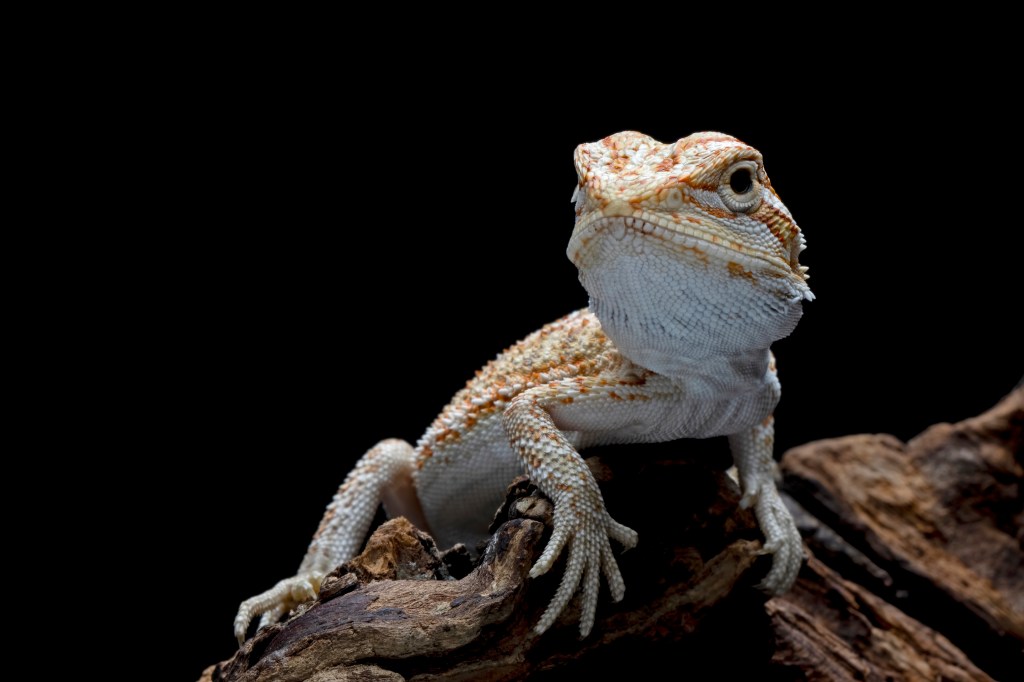
“Reptiles and amphibians are sometimes thought of as primitive, dull, and dimwitted. In fact, of course, they can be lethally fast, spectacularly beautiful, surprisingly affectionate, and very sophisticated.”
– David Attenborough
The Chambri of Papua New Guinea slice their young men with knives to initiate them into adulthood, leaving behind “scales” that resemble a crocodile’s. They believe their ancestors descended from crocodiles and, although mammals and reptiles parted ways during the Carboniferous (over 300 million years ago), these amniote lineages share a basic neural blueprint.
Reptiles show strong (though indirect) indicators of consciousness: play, cooperative hunting, impulse inhibition and executive function, responses to environmental enrichment (or a lack thereof), learning by observation, and care for their young.
“Living fossil” is an oxymoron. There are no “unevolved” species. Unchanged body plans are signs of durable design, not genuine stasis. At the molecular level, these animals have and continue to change. Reptiles are not unfinished mammals; they are their own branch on the tree of life.
With 12,000 living species, reptiles are integral parts of the global ecosystem. Yet they occupy a peculiar position in popular culture and scientific discourse: traditionally venerated as symbols of wisdom and cunning, but more recently dismissed as automatons. MacLean’s long-debunked Triune Model and its misrepresentation of basic neurobiology has shaped decades of research, welfare policy, and public perception for the worse.
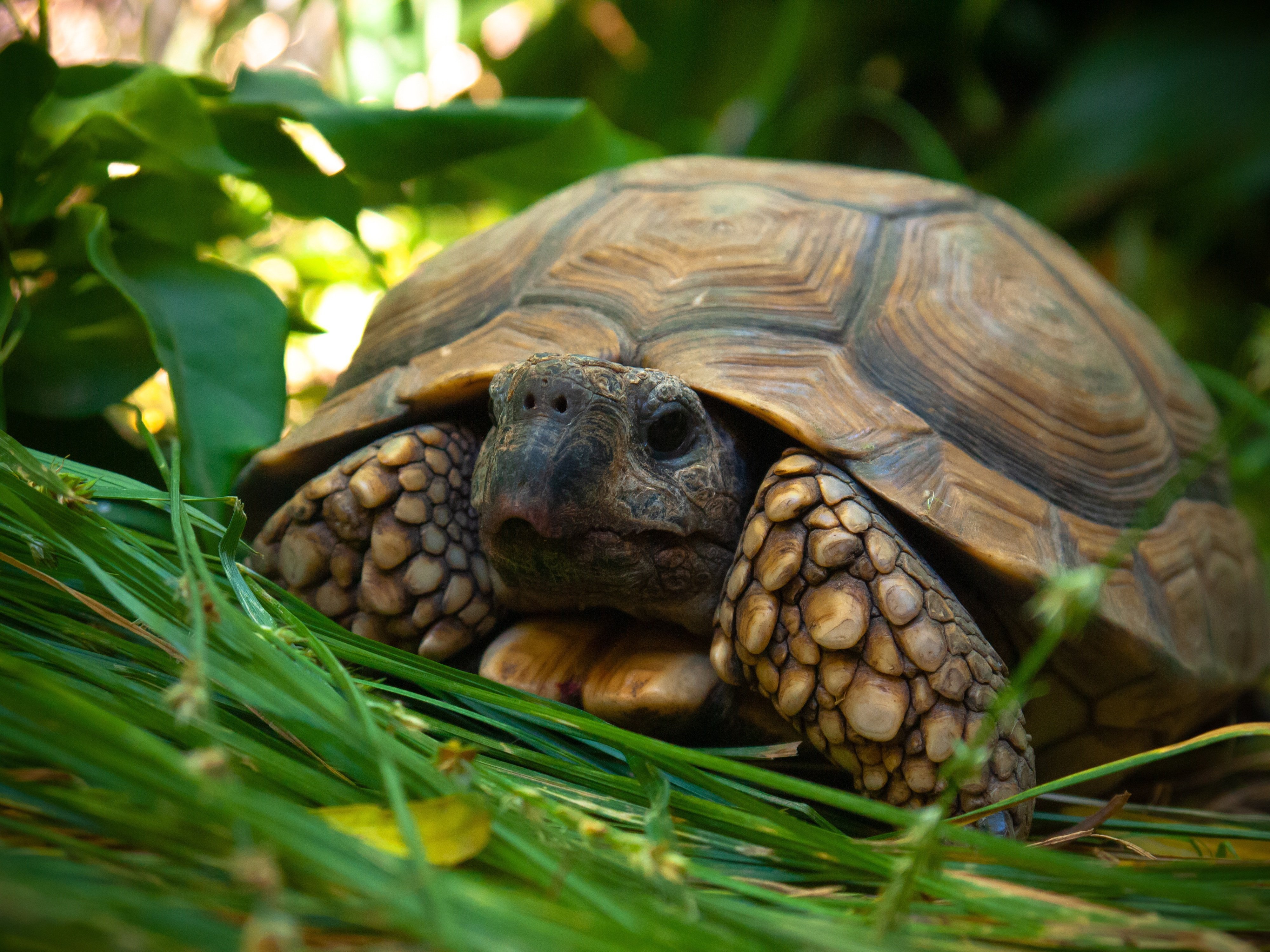
Turtles: A Century of Ignored Evidence
“And the turtles, of course…all the turtles are free, as turtles and, maybe, all creatures should be.”
– Dr. Seuss
A different pace of life can lead untrained or impatient researchers to conclude that certain animals have no inner lives.
Red-footed tortoises learn through observation, watching other tortoises complete tasks before attempting them; Painted turtles plan detours around obstacles; Box turtles remember specific locations for mating, nesting, and foraging across forests and valleys; they traverse complex terrain with a commendable precision.
One measure of impulse control is the detour task. An animal sees food through a transparent barrier and must resist the urge to push directly toward it (the impulsive choice) and instead move away from the food to navigate around the barrier (the calculated one). The majority of both Painted turtles and Red-footed tortoises solved these detours on their first try. They overrode their need to feed to execute a more complex plan, response inhibition.
Tinklepaugh found that wood turtles (specifically, one wood turtle) could navigate mazes as adeptly as rats in 1932. More recent and rigorous work by Anna Wilkinson (2007, 2009) with red-footed tortoises has confirmed that chelonian spatial learning is formidable. In the 2009 study external landmarks were obscured. The tortoise didn’t flounder; he pivoted to another strategy. When the landmarks were restored, he immediately abandoned the rote pattern in favor of a landmark-based “cognitive map.”
Ethologist Gordon Burghardt contends that standard captive environments subject reptiles to “controlled deprivation,” systematically impoverishing minds that need stimulation. Captive turtles without environmental stimulation spend 77% of their time in stereotypic swimming patterns and resting, but when novel objects, food puzzles, and structural complexity are introduced this figure flips on its back: 88% of their time shifts to random swimming and focused behavior.
Those who work closely with wood turtles report something qualitatively different about them. Instead of frantically begging for food whenever a human approaches, they pause to assess the situation.
It is frustrating that, although there are more quality studies than one would expect, many aspects of reptile sentience and cognition remain sorely understudied.
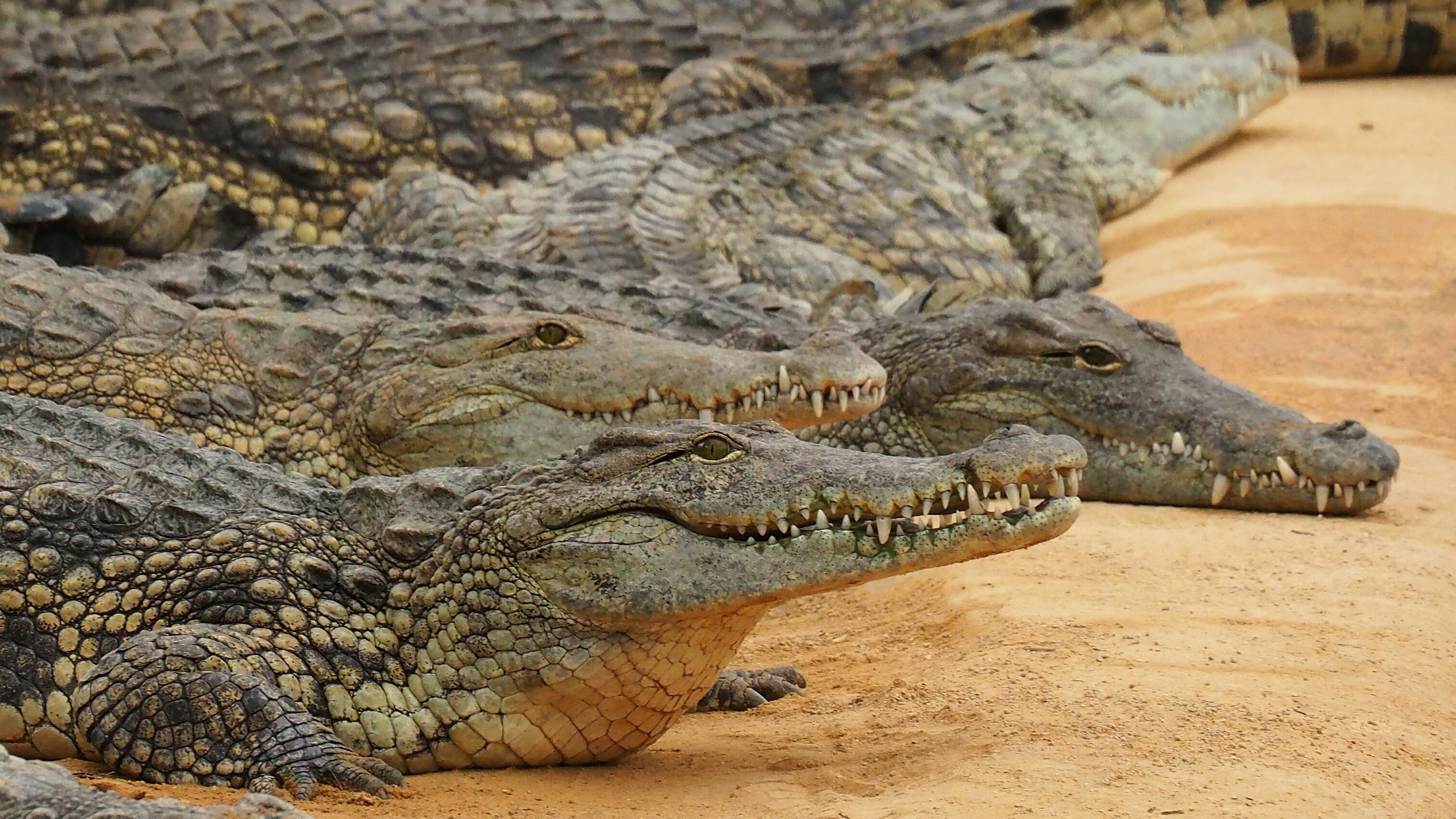
Crocodilians: Playfully Prehistoric
“There are no ‘unevolved’ species, no reanimated fossils that have literally come back to life, and no living organisms that are truly identical to extinct species known in the fossil record.”
– Werth and Shear, accessed via The Horseshoe Crab: Same as It Ever Was?
“Many aspects of crocodilian behavior remain poorly known due to their rare occurrence and to the difficulty of observing predominantly nocturnal predators, but in the case of play, an additional problem appears to be that people witnessing such behavior consider their observations unworthy of publishing or unlikely to be taken seriously.”
– Vladimir Dinets
Crocodilians conjure images of primordial brutishness for good reason. As hulking killing machines whose basic body plans (with some notable variants) have stayed largely unchanged for 250 million years, they are poster children for cold-blooded aggression. Again, the evidence tells a different story.
In 2018, Felix Ströckens and his colleagues at Ruhr University placed a Nile crocodile inside an fMRI scanner to record its brain activity while complex auditory stimuli, including Bach’s fourth Brandenburg Concerto, played. When exposed to complex sounds like music, additional brain areas activate in patterns strikingly similar to those observed in birds and mammals. Simple tones triggered basic auditory processing regions, but Bach activated what appear to be higher-order sensory areas in the crocodile’s pallium, specifically the dorsal ventricular ridge (DVR).
For decades the DVR was dismissed as an enlarged basal ganglia structure, an extension of the “primitive” reptilian brain. We now know the DVR is functionally and developmentally analogous in many respects to the mammalian neocortex.
Crocodilians cooperatively hunt and play. Saltwater and mugger crocodiles can coordinate their movements to trap prey through role-based hunting: one individual acts as a “driver,” herding fish toward shore or into narrow channels, while others position themselves in a semicircle to catch the fish as they’re driven forward.
Play behavior is more remarkable because it’s biologically expensive; it consumes energy while risking injury for no immediate benefit. Captive juvenile crocodilians have been observed sliding repeatedly down muddy banks, carrying around colorful objects for prolonged periods, and engaging in gentle wrestling matches that lack the aggressive posturing of territorial disputes.
In mammals, social play lights up ancient reward systems that release endogenous opioids and dopamine and are strongly associated with feelings of joy, not just with the relief of hunger or sexual tension. Jaak Panksepp emphasizes this in his work on primary emotional systems. If crocodilians play in the same ethological sense—repeated, purposeless, high‑energy behavior—they’re probably tapping into similar reward circuits.
All crocodilian species display maternal care. Mothers guard nests for months, respond to hatching calls from embryos still inside eggs, carefully excavate nests to help hatchlings emerge, and transport young in their mouths to water. Many species stay with their young for months afterward, defending them against predators. Nile crocodile mothers adjust their responses based on the pitch of juvenile calls and are more receptive to smaller offspring.
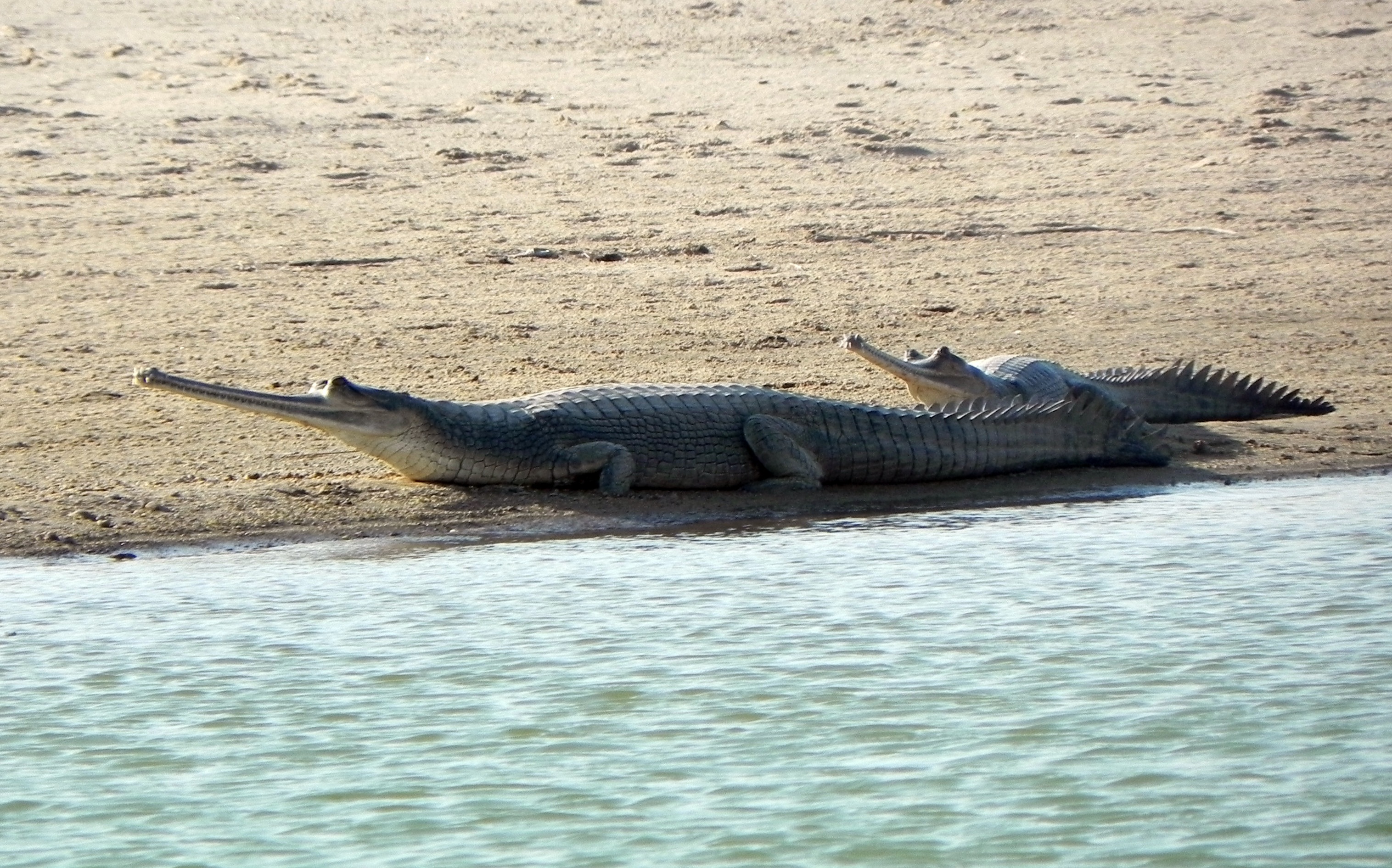
Male gharials in India guard mixed crèches of hundreds or thousands of juveniles for extended periods, requiring the mother to recognize distress calls, assess threats, and respond appropriately over timescales of weeks to months.
Then there’s tool use.
In 2007, behavioral ecologist Vladimir Dinets noticed that mugger crocodiles would balance small sticks and twigs on their snouts while lying partially submerged near egret and heron rookeries. When birds approached to collect the sticks for nest-building, the crocs would lunge. The behavior occurred almost exclusively during nesting season and was most frequent during the peak of nest construction in March and April.
American alligators in Louisiana were later seen doing the same thing. Floating sticks were rare, as the birds had already scavenged most of them, which means the gators were intentionally setting these traps.
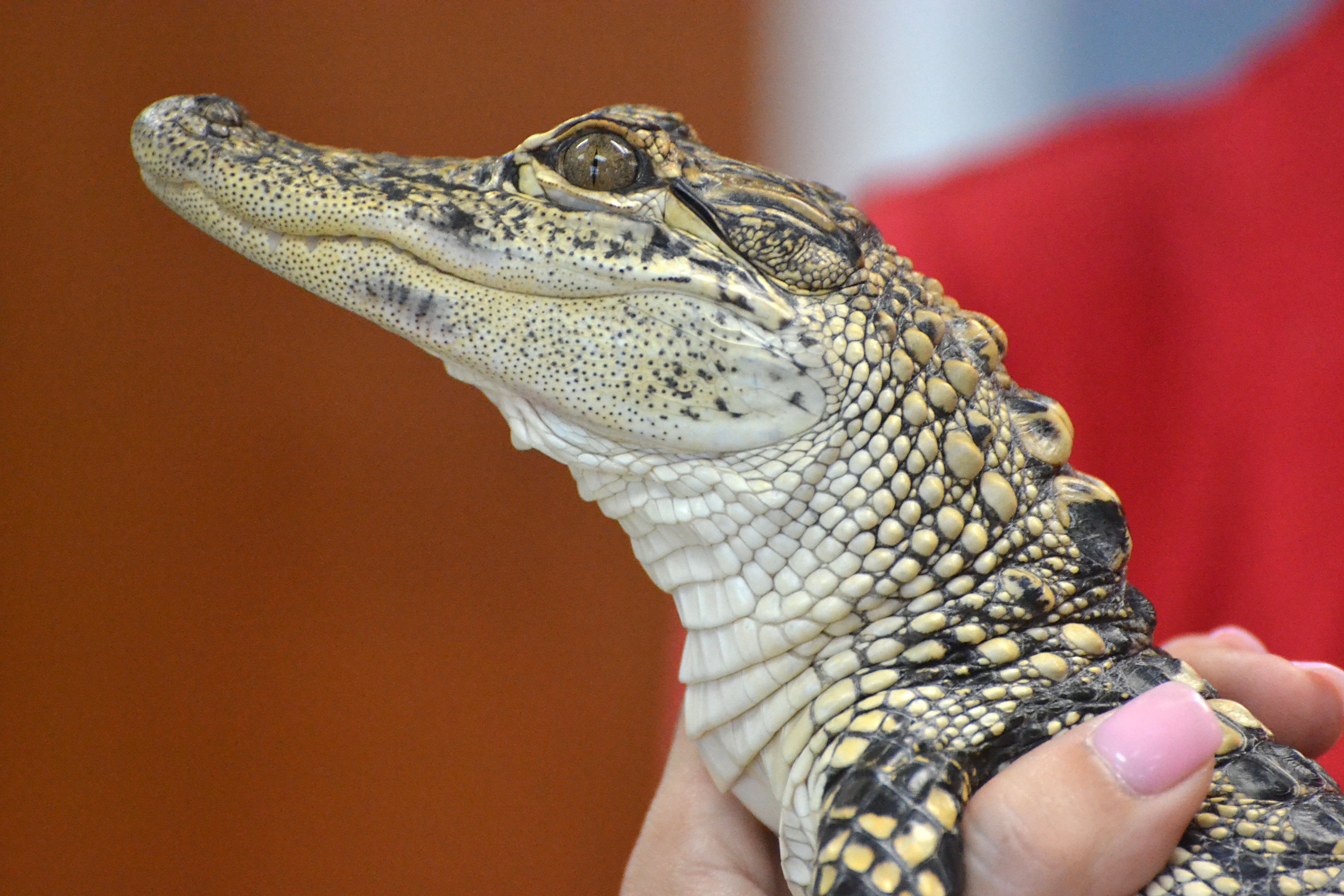
Perhaps most striking, though, are the individual cases that defy the stereotype entirely. Joie Henney’s alligator Wally is an internet celebrity. Wally is a registered emotional support animal who accompanies his owner to senior centers, sits on the couch watching television (apparently mesmerized by The Lion King), and has never bitten anyone despite being handled by strangers.
Henney rescued the 14 month Wally from Florida, and the little guy was unusually affectionate from the start, seemingly sensing when Henney was depressed and responding with physical closeness. “I’d lay on the couch, and I’d wake up and he’d be laying on my head,” Henney said. “I knew it was for a long period of time because I had his whole jaw print on my face.”
Henney admits that Wally is exceptional; he’s never seen another gator refuse to bite when handled around the head.
While we should resist anthropomorphizing, as Wally might just be thermoregulating, naturally docile, or highly habituated to human contact (likely all three), the fact remains that crocodilians form selective attachments to their young and adapt their behavior based on social cues. The question isn’t whether crocodilians form bonds, it’s whether this capacity can extend beyond their offspring.
Wally suggests it might.
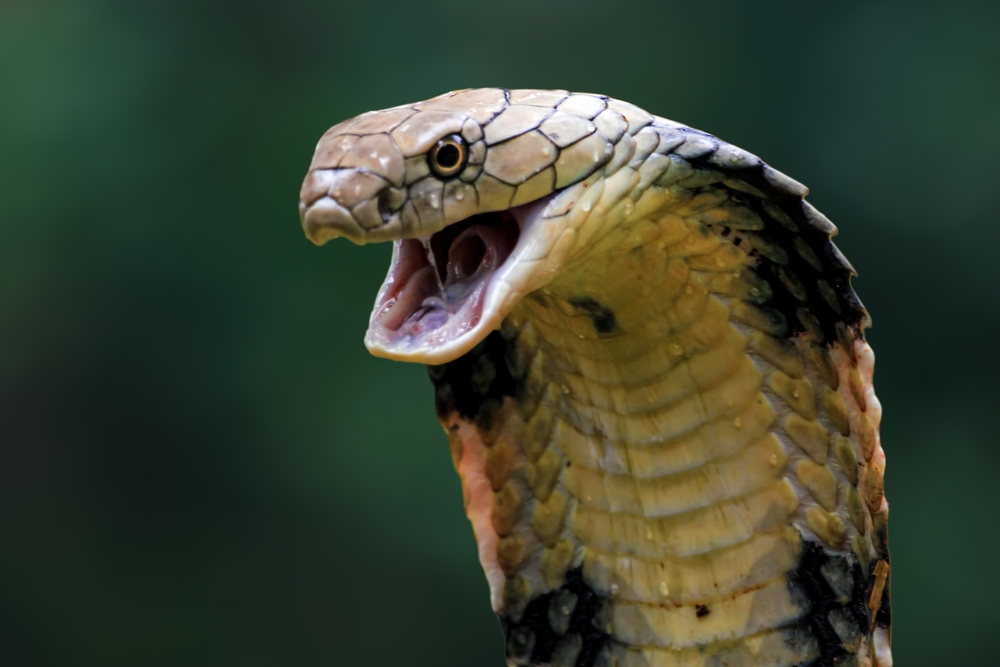
Snakes: Challenging Unflattering Stereotypes
“Behold, I send you forth as sheep in the midst of wolves: be ye therefore wise as serpents, and harmless as doves.”
– Mark 10:16
“I really do believe there is something going on behind those eyes when it comes to King Cobras. Ask anyone who works with them or keeps them in captivity. I can’t explain it but I don’t see it in any other snake.”
– Mark O’Shea
In mythology and folklore they’re wise, mysterious, and cunning: the tempter in Eden, the nagas of the Brahmic religions, the serpents intertwined around Asclepius’s staff.
But among naturalists and herpetologists, the consensus is less reverent: snakes are considered the dumbest members of their class (in the taxonomic sense). They’re limbless, have tiny brains even relative to their body size, and most species display what appears to be purely reflexive behavior. Contradictory evidence is anecdotal, which is partly due to how difficult controlled studies on snake cognition are to conduct (along with a lack of interest in running them).
Young corn snakes demonstrate clear spatial learning in maze tasks, finding hidden shelters with decreasing latency and significantly fewer errors over repeated trials. Perhaps more striking is the physiological evidence: environmental enrichment in snakes increases total brain volume, particularly in the midbrain and hindbrain regions. Enriched individuals also habituate faster to novel stimuli and outperform their peers in goal-oriented tasks.
Although their reputation is less-than-stellar, one species consistently bucks this trend. Unlike the crude ambush tactics of many of their fellow serpents, who may sit motionless for weeks waiting for a meal to cross their path, the King Cobra is an active, specialized ophiophage. Hunting other snakes, particularly venomous ones, is inherently high-risk.
To succeed, the King Cobra must continually assess its target’s reach and strike speed, often employing a specific “pinning” maneuver to the back of the neck that neutralizes the possibility of a counter-strike. They must distinguish between the defensive patterns of a non-venomous rat snake and the lethal potential of a monocled cobra, adjusting their approach, timing, and grip. In the wild, properly calculating risk is the line between a satisfying dinner and a fatal mistake.
King Cobras are the only snakes known to build nests. The female gathers leaf litter with her body and builds a mound in which to lay her eggs: a carefully engineered structure designed to maintain stable temperatures through the monsoon season. She sometimes guards them for over two months. In some populations, males have been seen visiting the nest and lying beside the female.
Captive King Cobras will test for weak spots in their enclosures. Rather than blindly pushing against glass, they often investigate latches, sliding doors, or ventilation grates. Although their escape artistry may not be on par with a Honey Badger’s, cobras have irked more than one zookeeper.
In 2022, a King Cobra at the Skansen Aquarium saw an opportunity. After staff replaced high-heat lamps, which had kept the cage’s former occupants at bay, with cool LED bulbs, Sir Hiss wedged its head into a millimeter-wide gap in the fixture to force an exit. Sir Hiss (now known as Houdini) eventually returned, likely to avoid the inhospitable Swedish climate.
The 2011 escape of an Egyptian cobra at the Bronx Zoo was no less dramatic. Director Jim Breheny noted that the adolescent snake successfully navigated a “labyrinth of pipes and equipment” in the building’s mechanical guts, remaining undetected for nearly a week. The zoo’s recovery strategy involved quieting the entire building and using rodent-scented bedding as a lure. This was a high-stakes waiting game with a predator that was actively monitoring the facility for security, noise, and opportunity.
Keepers consistently report that King Cobras will differentiate between their handlers and strangers; recognizing voices, scents, and visual cues. Mark O’Shea, a herpetologist who has worked extensively with them, describes interactions that suggest genuine recognition over mere habituation.
The plural of anecdote may not be data, but when the anecdotes come from experienced professionals across different contexts and consistently point in the same direction, a wholesale dismissal seems, at the very least, premature.
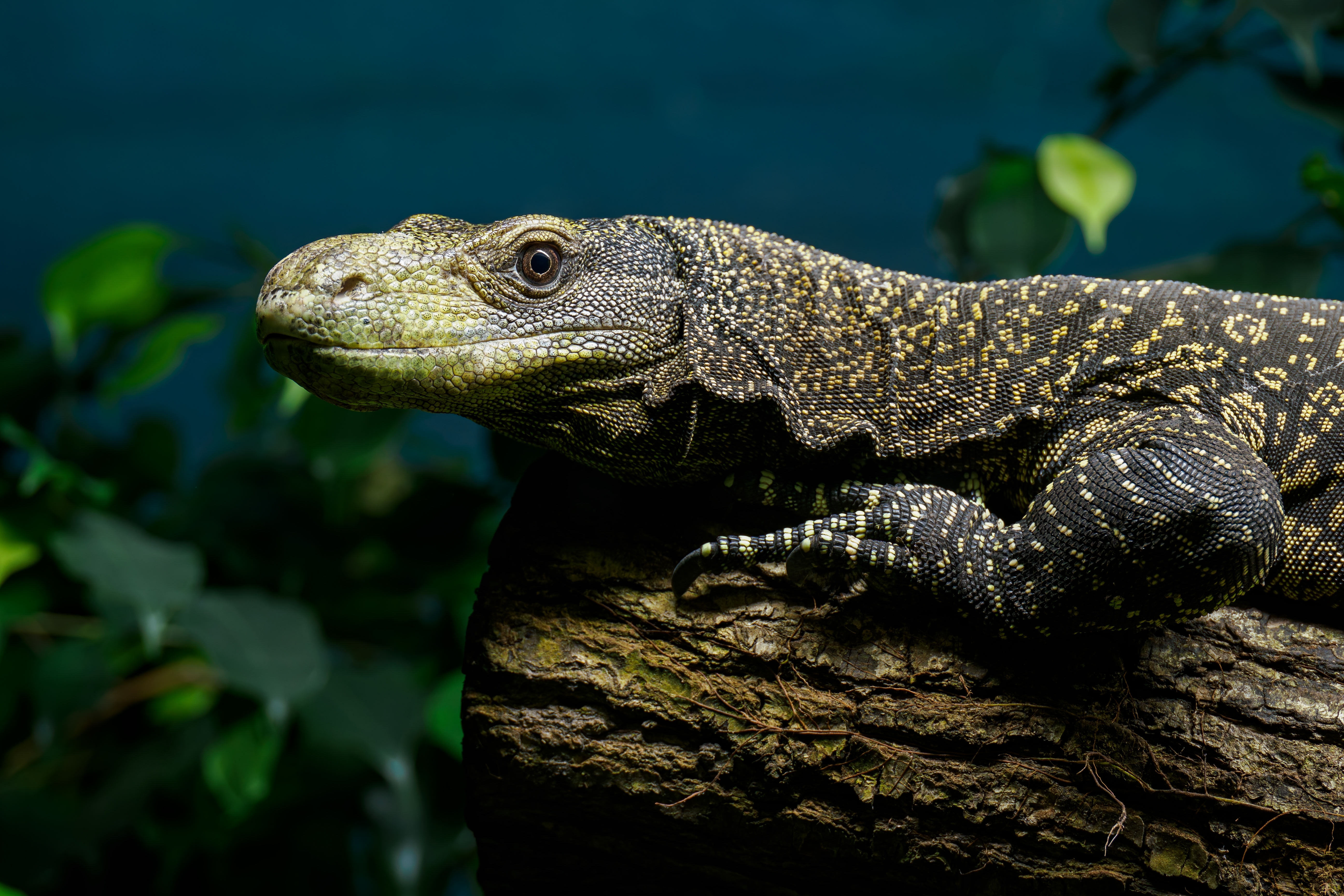
Lizards: Smarter Than Your Amygdala
“A lizard ran out on a rock and looked up, listening
no doubt to the sounding of the spheres.
And what a dandy fellow! the right toss of a chin for you
and swirl of a tail!
If men were as much men as lizards are lizards
they’d be worth looking at.”
– D.H. Lawrence
Lizards have hardly fared better than snakes in our collective estimation, although some demonstrate abilities comparable to birds and mammals.
Wilkinson and colleagues trained a bearded dragon to open a sliding door with its head. They then had eight experimental subjects watch. All eight subsequently opened the door using the same head-sliding technique. A control group that saw the door move without a demonstrator failed to replicate the behavior.
In another study, eight juvenile black-throated monitors were presented with a transparent tube containing prey, accessible only through hinged doors at either end. All eight figured out how to open the doors and extract the food within ten minutes. By the second trial, their latency to solve the task dropped significantly, and they abandoned ineffective strategies like shaking the tube in favor of the solution that worked.
Monitor lizards remember these solutions for years. A 2020 study tested monitors on a foraging puzzle, then retested them after a 20-month hiatus, roughly 25% of their ages at the time. When re-exposed to the task, the lizards solved it faster and reached minimum latencies in fewer trials than before. This demonstrates procedural memory on timescales comparable to those documented in “higher” animals.
Puerto Rican anoles are also surprisingly clever: when presented with lidded compartments (one containing an insect, one empty), the majority learned to remove the lids by biting and dragging or levering them off with their noses (which they presumably don’t encounter in the wild). They outperformed sparrows on the same task, despite having only one feeding opportunity per day compared to six.
Anoles graphically illustrate affective states. Neil Greenberg’s decades-long work with green anoles established them as a model organism for reptile stress research. When anoles engage in territorial displays or explore novel environments, their body color changes in direct correlation with circulating stress hormones. These shifts, from bright green to dark brown, serve as visible indices of internal emotional states: fear during predator encounters, anxiety in unfamiliar settings, and agitation during dominance contests. The color change is mediated by the same neurohormonal pathways that produce stress and anxiety responses in mammals.
But stress hormones don’t necessarily prove subjective experience. Color changes could be purely mechanical, biochemical responses with no internal feeling attached.
A 2025 study on captive leopard geckos found that environmental enrichment—structural complexity, novel objects, cognitive challenges—significantly improved their behavior and welfare indicators. Geckos in barren enclosures exhibited stereotypic behaviors consistent with boredom and frustration. With enrichment these behaviors declined. Boredom is not a reflex; it’s an affective state.
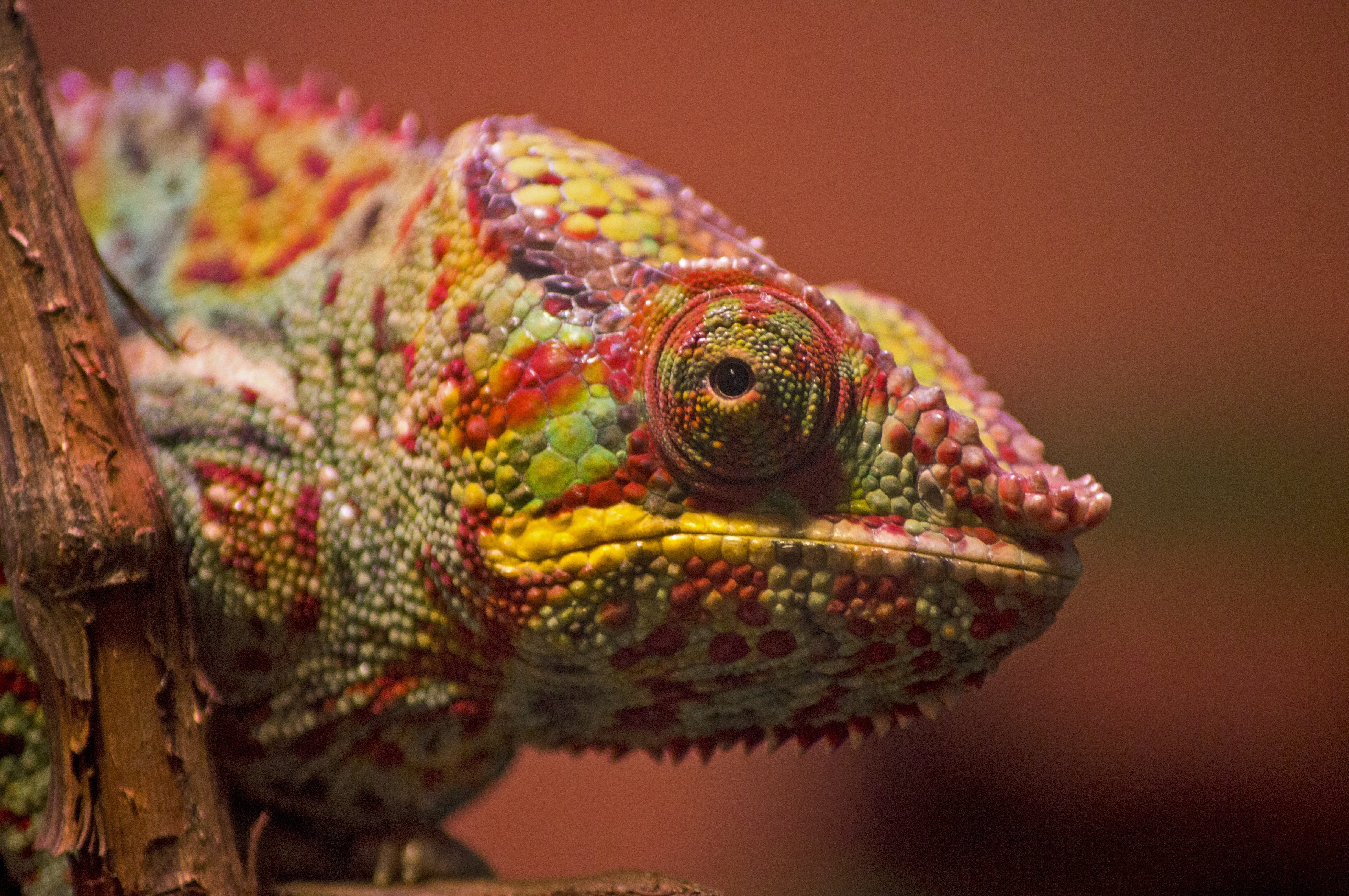
The Triune Brain’s Afterlife: When Dead Ideas Don’t Decompose
“Does it matter if psychologists have an incorrect understanding of neural evolution? One answer to this question is simple: We are scientists. We are supposed to care about true states of the world even in the absence of practical consequences. If psychologists have an incorrect understanding of neural evolution, they should be motivated to correct the misconception even if this incorrect belief does not impact their research programs.”
— Cesario et. al from Your Brain is Not an Onion With a Tiny Reptile Inside
And yet this particular misconception has had very real consequences.
Paul MacLean posited that the human brain evolved in three discrete layers: the “reptilian” brain (basal ganglia) governing instincts, the “paleomammalian” limbic system handling emotions, and a hominid neocortex responsible for rational thought. According to MacLean, these structures were added sequentially through evolution like sedimentary layers, with each functioning relatively independently of the other. The reptilian brain, in this schema, is responsible for aggression, dominance, and territoriality.
Like so many gross oversimplifications before and since, The Triune Brain went mainstream. Carl Sagan featured it prominently in The Dragons of Eden in 1977, which won a Pulitzer. Arthur Koestler made it central to his work. It provided a neat metaphor that mapped conveniently onto Freudian id-ego-superego divisions and gave biological legitimacy to the idea that our worst impulses stem from a reptilian core. The problem is that it’s wrong.
Comprehensively and demonstrably wrong.
Modern comparative neurobiology has dismantled MacLean’s model. Evolution doesn’t just stack new structures on top of old ones, and this is doubly true for brains. All vertebrates share basic neural regions; where they differ is in proportion and connectivity, not presence or absence.
But the anatomical errors are less damaging than what MacLean got wrong about reptiles themselves. His premise is that reptilian brains are qualitatively simpler, capable only of stereotyped and inflexible actions. Tragically, reptiles have been systematically excluded from animal welfare considerations, from environmental enrichment protocols, and from serious cognitive research, in part because MacLean believed there was nothing to study.
MacLean has been criticized in academic neuroscience since the 1970s. By the 1990s, serious neurobiologists had largely abandoned it. Yet it persists. In 2017, three decades later, Robert Sapolsky published Behave. Sapolsky, a Stanford professor of biology and neurology, acknowledges in passing that “the brain really doesn’t come in three layers” but proceeds to use the framework anyway, describing how the three systems interact and compete for control.
When a Stanford professor whose work has shaped a generation’s understanding of neuroscience perpetuates a rejected model, it does real harm. The danger isn’t just oversimplification; it’s the perennial bugaboo of neuroscience education and communication: the false localization of function—assigning complex psychological processes to discrete anatomical “modules.”
The triune model suggests that emotions happen “here” (limbic system) and logic happens “here” (neocortex), but a “simple” reptilian brain is a highly integrated network where “primitive” and advanced regions constantly communicate, just like ours. Emotion and cognition aren’t cleanly separable.
The Question of Sentience
“The question is not, Can they reason? nor, Can they talk? but, Can they suffer?”
— Jeremy Bentham, An Introduction to the Principles of Morals and Legislation (1789)
Sapience and sentience are not synonyms. An entity (organic or artificial) can solve problems, navigate mazes, and remember solutions without necessarily having subjective experiences. That’s the theoretical distinction. In practice, disentangling cognition from feeling isn’t straightforward, and the question of what reptiles experience internally has been historically avoided.
Our infatuation with “higher order” faculties has led us to conclude that they are synonymous with sentience. The two most widely touted frameworks of consciousness—Global Workspace Theory and Integrated Information Theory—largely gloss over emotions. It would seem that any scaffolding for consciousness, however crude, would have to account for how and why we feel.
Apparently not.
This fixation upon the neocortex has blinded us to the possibility that consciousness might have first risen, and remains, with a more ancient foundation.
Helen Lambert’s 2019 review systematically probed the literature for evidence of reptile sentience using 168 keywords associated with emotional states. She found 37 studies that assumed reptiles are capable of anxiety, stress, distress, excitement, fear, frustration, pain, and suffering. Four additional studies explicitly explored and found evidence for reptiles’ capacity to feel pleasure, emotion, and anxiety. This represents an accumulation of evidence that reptiles are not, as MacLean’s model would suggest, creatures of pure instinct. They experience affective states.
Reptiles are quantitatively different from mammals, certainly. Their emotional range is no doubt narrower, their experiences less elaborate, but the brain structures they share with us are not decorative. When a crocodile mother responds to the distress calls of her hatchlings, a King Cobra assesses whether a handler means harm, or a wood turtle pauses to wonder whether asking for food is worthwhile, something familiar is happening.
While rudimentary nervous systems have not held back jellyfish, consciousness gives indisputable survival advantages. The capacity to associate valence with stimuli, to feel attraction or repulsion, fear or pleasure, and to resolve ambiguity by making sense of a situation—are not beneficial to just mammals.
The blame rests with us. We didn’t enrich their environments because we didn’t think they had minds to enrich. We didn’t worry about their well-being because we didn’t think they could suffer
Fifty years ago, an established psychologist could be tarred and feathered for mentioning consciousness. Today we accept it readily in birds and mammals but balk at extending the same consideration to other living things. The prejudice is old and deep, traceable to Descartes’s categorical rejection of non-human consciousness, reinforced by Behaviorism’s dominance in the twentieth century, and kept alive by MacLean’s misleading assumptions.
Reptiles have been given the cold shoulder not because the evidence wasn’t there, but because we weren’t ready to face it. What remains is for us to acknowledge what should have been obvious from the start: that scales and shells house minds worth considering, capable of suffering worth preventing, and experiencing lives as real as yours and mine.
REFERENCES
TURTLES/TORTOISES
- Tinklepaugh, O. L. (1932). Maze learning of a turtle. Journal of Comparative Psychology, 13(2), 201.
- Wilkinson, A., Chan, H. M., & Hall, G. (2007). Spatial learning and memory in the tortoise (Geochelone carbonaria). Journal of Comparative Psychology, 121(4), 412.
- Wilkinson, A., Coward, S., & Hall, G. (2009). Visual and response-based navigation in the tortoise (Geochelone carbonaria). Animal cognition, 12(6), 779-787.
- Wilkinson, A., Kuenstner, K., Mueller, J., & Huber, L. (2010). Social learning in a non-social reptile (Geochelone carbonaria). Biology letters, 6(5), 614-616.
- Mueller-Paul, J., Wilkinson, A., Hall, G., & Huber, L. (2012). Radial-arm-maze behavior of the red-footed tortoise (Geochelone carbonaria). Journal of Comparative Psychology, 126(3), 305.
- Mueller-Paul, J., Wilkinson, A., Aust, U., Steurer, M., Hall, G., & Huber, L. (2014). Touchscreen performance and knowledge transfer in the red-footed tortoise (Chelonoidis carbonaria). Behavioural processes, 106, 187-192.
- Burghardt, G. M. (2013). Environmental enrichment and cognitive complexity in reptiles and amphibians: Concepts, review, and implications for captive populations. Applied Animal Behaviour Science, 147(3-4), 286-298.
- Therrien, C. L., Gaster, L., Cunningham‐Smith, P., & Manire, C. A. (2007). Experimental evaluation of environmental enrichment of sea turtles.
- Hoehfurtner, T., Wilkinson, A., Moszuti, S. A., & Burman, O. H. (2025). Evidence of mood states in reptiles. Animal Cognition, 28(1), 52.
CROCODILIANS
- Behroozi, M., Billings, B. K., Helluy, X., Manger, P. R., Güntürkün, O., & Ströckens, F. (2018). Functional MRI in the Nile crocodile: a new avenue for evolutionary neurobiology. Proceedings of the Royal Society B: Biological Sciences, 285(1877).
- Dinets, V. (2013). Long-distance signaling in Crocodylia. Ichthyology & Herpetology, 2013(3), 517-526.
- Dinets, V. (2015). Play behavior in crocodilians. Animal Behavior and Cognition, 2(1), 49-55.
- Werth, A. J., & Shear, W. A. (2014). The evolutionary truth about living fossils. American Scientist, 102(6), 434-443.
- Avise, J. C. (2012). Molecular markers, natural history and evolution. Springer Science & Business Media.
- Brochu, C. A. (2003). Phylogenetic approaches toward crocodylian history. Annual Review of Earth and Planetary Sciences, 31(1), 357-397.
SNAKES
- Holtzman, D. A., Harris, T. W., Aranguren, G., & Bostock, E. (1999). Spatial learning of an escape task by young corn snakes, Elaphe guttata guttata. Animal Behaviour, 57(1), 51-60.
- Nagabaskaran, G., Moonilal, V., Skinner, M., & Miller, N. (2025). Environmental enrichment increases brain volume in snakes. Journal of Comparative Neurology, 533(3), e70043.
- Almli, L. M., & Burghardt, G. M. (2006). Environmental enrichment alters the behavioral profile of ratsnakes (Elaphe). Journal of Applied Animal Welfare Science, 9(2), 85-109.
- Freiburger, T., Miller, N., & Skinner, M. (2024). Olfactory self-recognition in two species of snake. Proceedings of the Royal Society B, 291(2020), 20240125.
- Lambert, H., Carder, G., & D’Cruze, N. (2019). Given the cold shoulder: A review of the scientific literature for evidence of reptile sentience. Animals, 9(10), 821.
LIZARDS
- Leal, M., & Powell, B. J. (2012). Behavioural flexibility and problem-solving in a tropical lizard. Biology letters, 8(1), 28-30.
- Kis, A., Huber, L., & Wilkinson, A. (2015). Social learning by imitation in a reptile (Pogona vitticeps). Animal cognition, 18(1), 325-331.
- Manrod, J. D., Hartdegen, R., & Burghardt, G. M. (2008). Rapid solving of a problem apparatus by juvenile black-throated monitor lizards (Varanus albigularis albigularis). Animal cognition, 11(2), 267-273.
- Greenberg, N. (2002). Ethological aspects of stress in a model lizard, Anolis carolinensis. Integrative and Comparative Biology, 42(3), 526-540.
- Rickman, E. L., Wilkinson, A., Pike, T. W., & Burman, O. H. (2025). The impact of enriched housing on the behaviour and welfare of captive leopard geckos (Eublepharis macularius). Applied Animal Behaviour Science, 283, 106487.
NEUROSCIENCE / TRIUNE BRAIN CRITIQUE
Striedter, G. F. (2005). Principles of brain evolution. Sinauer associates.
Cesario, J., Johnson, D. J., & Eisthen, H. L. (2020). Your brain is not an onion with a tiny reptile inside. Current Directions in Psychological Science, 29(3), 255-260.
MacLean, P. D. (1990). The triune brain in evolution: Role in paleocerebral functions. Springer Science & Business Media.
Panksepp, J. (2004). Affective neuroscience: The foundations of human and animal emotions. Oxford university press.
Panksepp, J. (2011). The basic emotional circuits of mammalian brains: do animals have affective lives?. Neuroscience & Biobehavioral Reviews, 35(9), 1791-1804.
Sapolsky, R. M. (2017). Behave: The biology of humans at our best and worst. Penguin.
 Adam Alonzi
Leave a comment